When the best college softball players in the country take the field, every piece of equipment has been chosen with purpose. From the gloves on their hands to the cleats on their feet, tournament-level gear reflects years of refinement. It's a great starting point for any player looking to level up.
Here's what's showing up on the field at the 2026 NCAA Tournament, position by position and piece by piece.
Helmets & Batting Gear
Batting Helmets
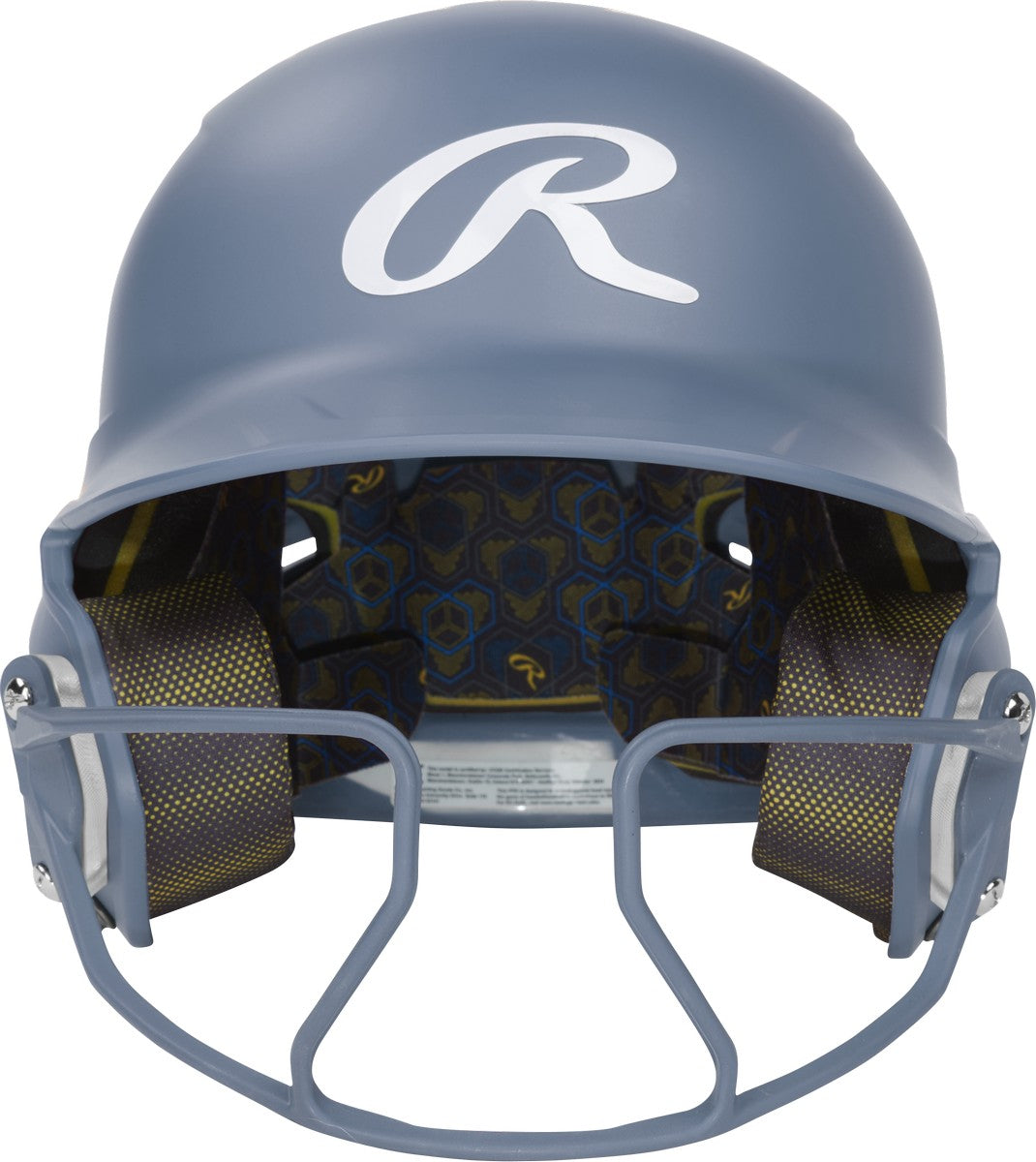
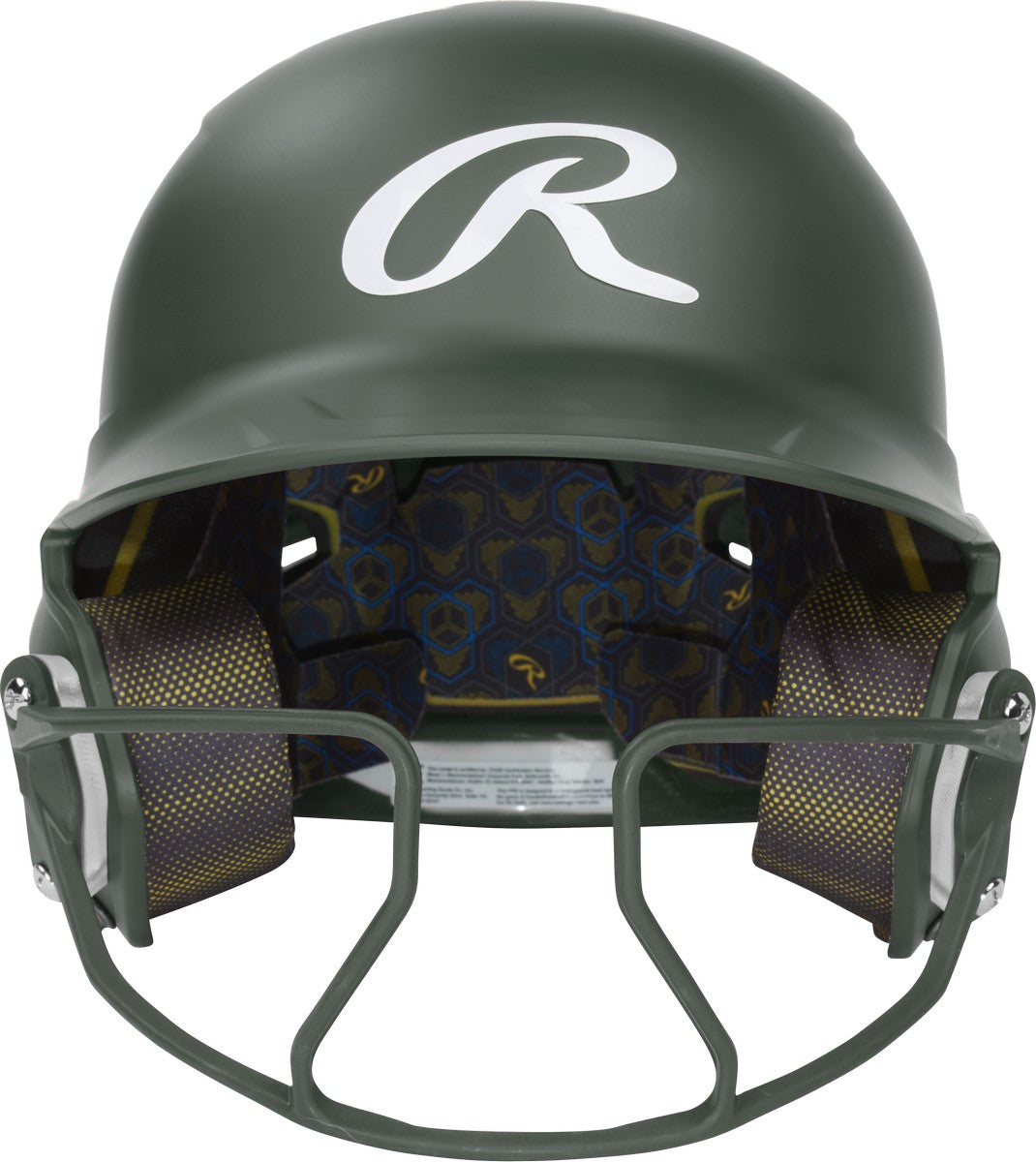
Rawlings and Easton dominate the helmet scene at the college level. The Rawlings Mach and Easton Ghost are two of the most spotted models, offering NOCSAE-certified protection with modern ventilation and a lightweight profile.
What to look for: NOCSAE certification is non-negotiable for any certified play. Look for a snug fit without pressure points, adequate ventilation for hot tournament days, and a low-profile design that doesn't obstruct sightlines.
Batting Gloves
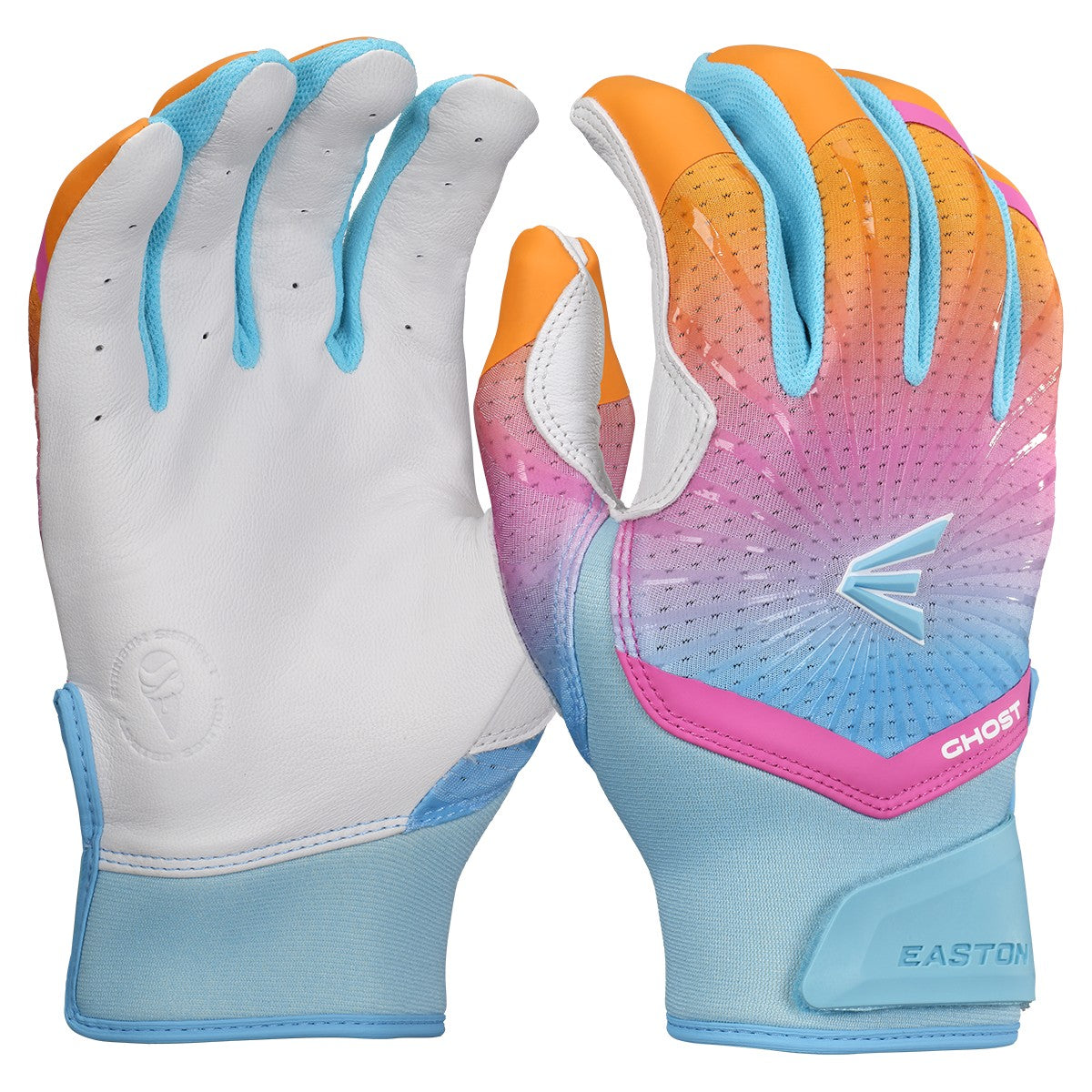
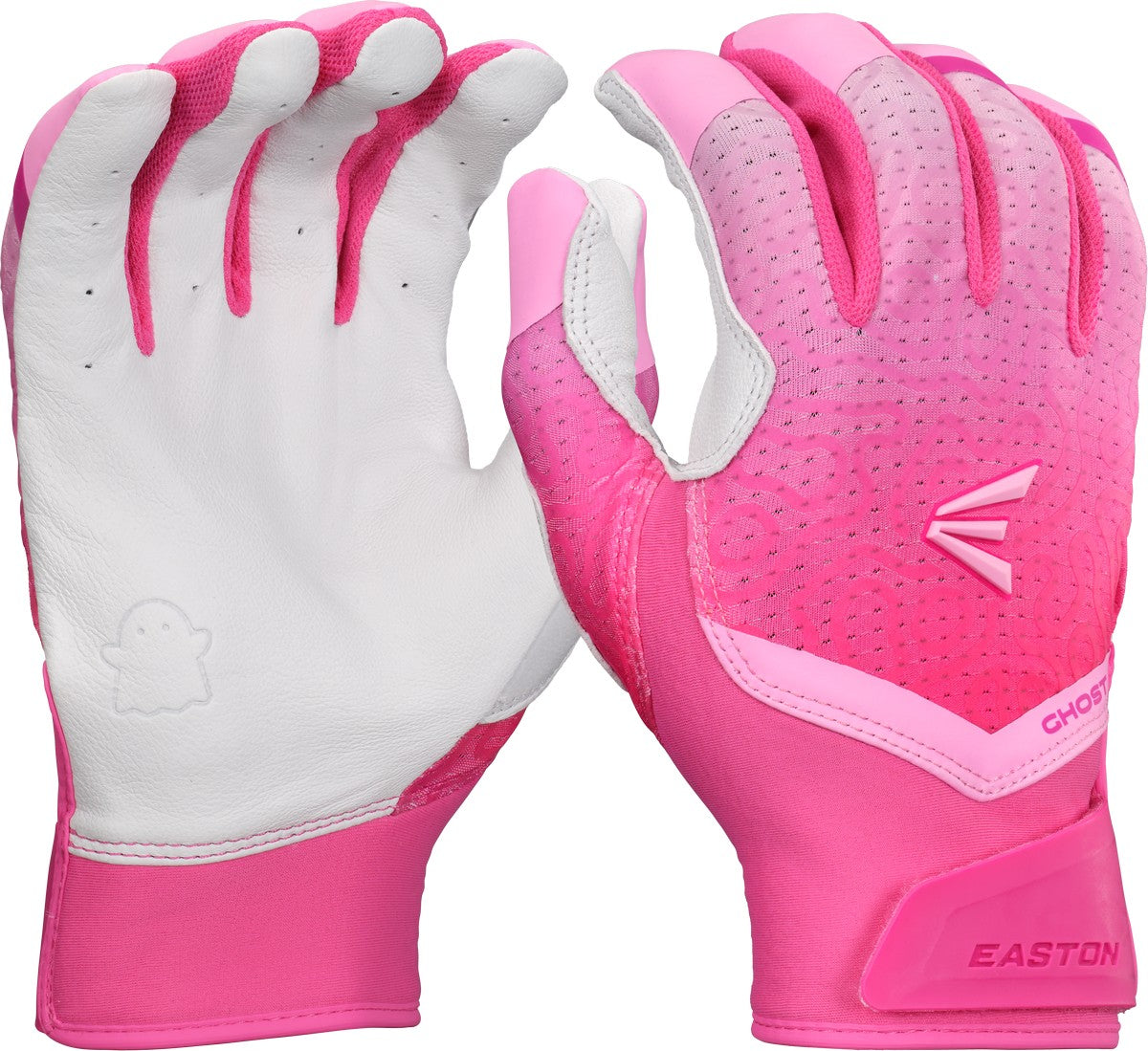
Rawlings, Easton, and Nike batting gloves are consistently visible in dugouts throughout the tournament. Players prioritize grip, breathability, and wrist strap security — particularly on high-velocity pitches where vibration management matters. Many hitters double-up or add pine tar for wet conditions.
Elbow Guards & Protective Gear
With inside pitching a staple at the college level, elbow guards have become standard equipment. The EvoShield compression elbow guard is a popular choice, offering a custom-fit moldable plate that protects without restricting swing mechanics. Some players also wear leg guards on their front leg for added protection from low pitches.
Gloves
Glove choice at the college level reflects both position demands and personal preference, but a few brands stand out across the diamond:
Pitchers
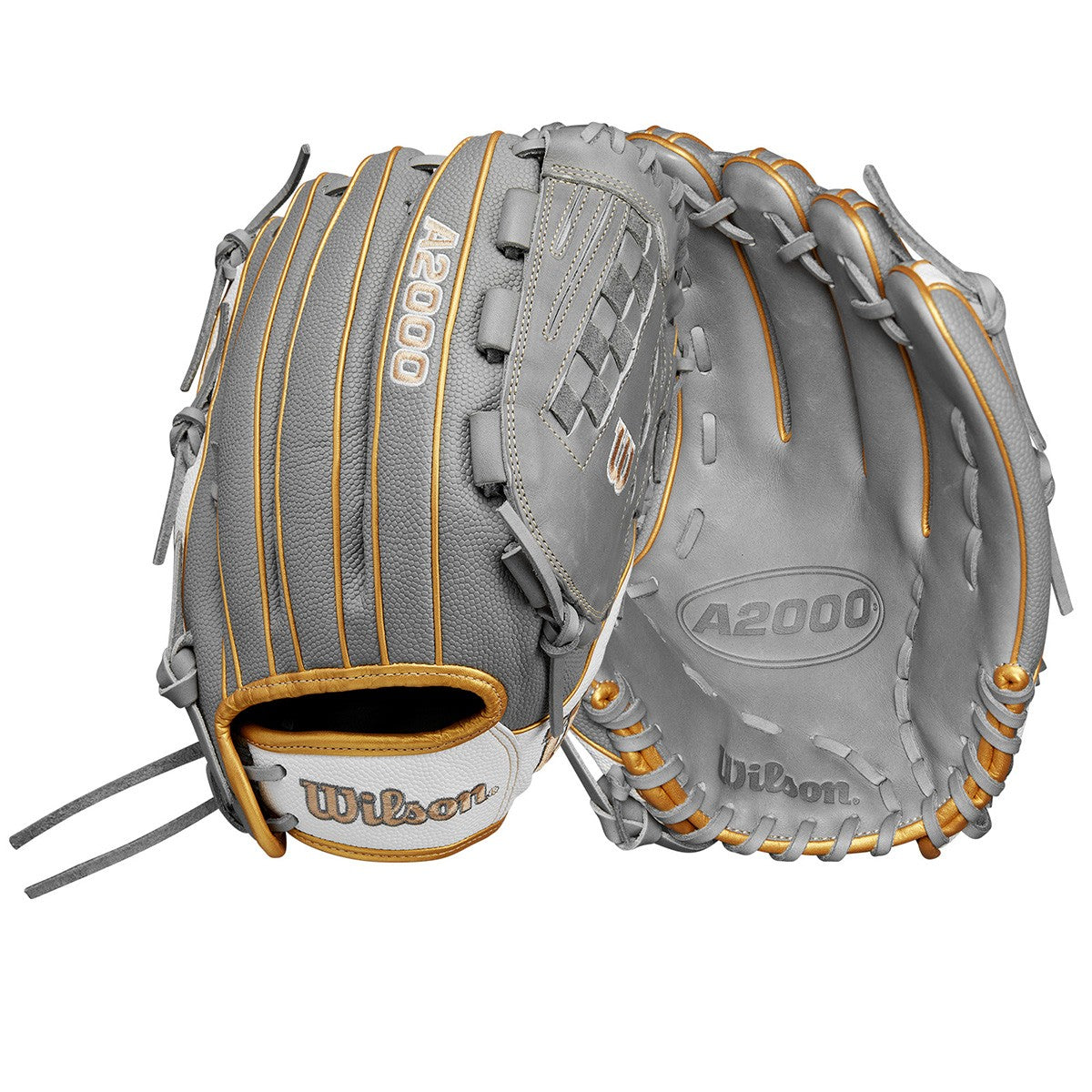
Pitchers gravitate toward closed-web designs (modified trapeze or two-piece webs) that conceal grip changes and provide a firm, predictable feel. Wilson A2000 and Rawlings Heart of the Hide models in 12–12.5" are the most commonly spotted. Many pitchers also prefer darker or more neutral colorways to avoid tipping pitches.
Catchers
Fastpitch catcher's mitts are distinctly different from fielder's gloves — rounder, with heavy padding and a tight pocket designed for framing and blocking. All-Star, Rawlings, and Wilson lead the market here. The All-Star PHX series and Rawlings Liberty Advanced are popular at the college level for their combination of break-in speed and durability.
Infielders
Infield gloves run smaller (11–12") and prioritize a shallow, quick-transfer pocket. Wilson A2000 and A1000 models are extremely common, as are Easton Pro Collection and Rawlings Heart of the Hide gloves in 11.5–11.75". Shortstops and second basemen tend to favor I-web or H-web designs for speed; third basemen often go with a modified trap for added security on hard-hit balls.
Outfielders
Outfield gloves are larger (12.5–13") with a deeper pocket and a design built for range. Trap web and H-web are the standards at this level. Easton Pro Collection and Rawlings Liberty Advanced are well-represented in the outfield, and many college programs outfit their outfielders with custom color combinations that match their uniform set.
Cleats
Footwear is one of the most personal gear decisions a softball player makes, and at the tournament level, performance and comfort over long tournament weekends weigh heavily in the decision-making process.
Metal vs. Molded
NCAA rules permit metal cleats, and most college players take advantage of them for superior traction on dirt and grass. Molded cleats are common for younger players and are required in many youth leagues. If you're buying for a high school or college player, metal is the way to go — just check your specific league rules first.
Top Cleat Brands at the Tournament
Nike, New Balance, and Adidas cleats are the dominant footwear on the field at the 2026 tournament. The Nike Hyperdiamond series and New Balance VELO line both show up regularly, offering lightweight construction, lateral support, and secure heel lockdown for quick lateral cuts. Adidas’ Adizero Instinct line is also popular among players who prioritize a wider toe box.
Fit Tip
Softball cleats should fit snugly without squeezing. Many players size down half a size from their regular shoe, particularly in metal cleats, to reduce movement inside the shoe. Always break in new cleats before a tournament — blisters during a WCWS-level weekend can derail a performance.
Don't Overlook Turf Shoes
What you see on the game field is only part of the footwear picture at the WCWS. Look in the dugout, the bullpen, and the warmup areas and you'll spot something different: turf shoes. College players routinely switch into turf shoes for pregame warmups, pitching bullpens, batting practice, and travel days — any situation where metal spikes are impractical or not permitted. New Balance leads the category in the fastpitch market, with the VELOv4 and the FUSEv5 consistently drawing strong reviews for cushioning and fit.
Catcher's Gear
No position requires more equipment investment than catcher, and at the college level that gear takes serious punishment over the course of a long tournament run.
Helmets & Masks
The two dominant styles are traditional two-piece (helmet + cage) and the hockey-style all-in-one mask. The hockey-style has grown significantly at the college level due to improved visibility, better protection, and faster removal on pop-ups. All-Star, Rawlings, and Easton are the most-used brands. The All-Star MVP2500 is particularly common — widely regarded as the gold standard for college play.
Chest Protectors
Modern chest protectors at the college level are lighter and more articulated than ever, allowing catchers to block more comfortably and explode out of stances for throws. All-Star's PHX and Easton's Jen Schro are regularly spotted in NCAA dugouts.
Leg Guards
College catchers prioritize leg guards that stay securely in place during repeated blocking drills, with knee and shin coverage that doesn't restrict deep squat positions. All-Star and Easton produce leg guards that are consistently favored at this level.
Uniforms & Accessories
The details matter at the tournament level — and many of the smaller accessories have real functional purposes:
Compression Gear & Sliding Shorts
Nearly every college player wears compression shorts or sliding shorts under their game pants. They reduce turf abrasion on slides and provide core support during explosive movements. Nike Pro is the standard. Many players add knee compression sleeves for additional joint support over a long tournament weekend.
Socks, Wristbands & Other Accessories
Elite players are meticulous about the small stuff — the right sock height, a familiar wristband, or custom sunglasses in the bat bag. These items are often where players express individuality within a uniform set.
Shop tournament-level gear by position. Bats, gloves, cleats, batting helmets, uniforms, catcher's sets, and protective gear. Gear up the way the college game's best players do.